



Accurate forecasting of non-store retail sales is crucial for strategic decision-making in today’s rapidly evolving retail landscape. This study introduces DeSeaTS, a decomposition and forecasting technique designed to improve predictive accuracy for time series data characterized by strong seasonal patterns. Leveraging the decomposition approach, DeSeaTS isolates trend, seasonal, and residual components to better understand underlying structures in historical U.S. non-store retail sales data. By capturing the recurrent patterns driven by factors such as holidays, consumer behavior, and economic cycles, the model enhances forecast reliability and interpretability. Empirical results demonstrate that DeSeaTS outperforms conventional forecasting methods by effectively modeling seasonal fluctuations and producing more accurate projections. This research highlights the potential of decomposition-based techniques in retail analytics and contributes to the development of robust forecasting models essential for inventory planning, marketing strategies, and policy formulation in the non-store retail sector.
Time series analysis is a foundational aspect of statistical and data-driven research, playing a critical role in uncovering temporal patterns, identifying long-term trends, and facilitating accurate forecasting across domains such as economics, environmental science, and retail analytics. In particular, the presence of strong seasonal components in time series data introduces both complexities and valuable insights, as these regular fluctuations—driven by factors such as holidays, weather, and business cycles—require sophisticated analytical approaches. One such approach is time series decomposition, a powerful technique that disaggregates a dataset into three core components: trend, seasonality, and residual noise. By isolating these elements, decomposition enables clearer interpretation of underlying patterns and enhances the precision of forecasts. Recent advances have underscored the utility of decomposition-based techniques in forecasting applications, especially in sectors like non-store retail, where consumer behavior often follows seasonal rhythms. This study explores the application of DeSeaTS, a decomposition and forecasting technique, to predict U.S. non-store retail sales, aiming to leverage its strength in handling seasonal data for improved decision-making and strategic planning.
This project utilizes the U.S. Census Bureau's Advance Monthly Retail Sales data for Nonstore Retailers, spanning the years 1992 to 2024, to explore evolving consumer behavior and spending patterns outside traditional retail environments. The Nonstore Retailers category includes a diverse range of businesses that conduct sales through non-traditional channels, such as online platforms, catalogs, vending machines, direct selling, and subscription-based services. Key components include electronic shopping and mail-order houses, where transactions occur via websites or catalogs; vending machine operators offering automated product distribution in public locations; and direct selling operations, which involve face-to-face sales outside permanent retail premises, like those by Avon or Tupperware. The dataset also covers subscription services like HelloFresh, which provide recurring deliveries, and purchases made through televised infomercials or phone orders. This research focuses on identifying significant trends over a 32-year period, highlighting the transformative impact of digital innovation on retail structures, the resilience of direct selling methods, and the niche relevance of vending technologies. The analysis sheds light on seasonal fluctuations, long-term growth trajectories, and the broader economic implications of these sales channels. These insights can aid a wide range of stakeholders—retailers looking to refine strategic planning, policymakers evaluating the influence of digital commerce on brick-and-mortar stores, and economists studying shifts in consumer preferences and market dynamics over time.
Time series analysis is a fundamental tool in both statistics and data science, particularly vital in areas where understanding temporal dynamics is key to effective forecasting and decision-making (Hamilton, 1994). One of the most robust techniques in this domain is decomposition, which involves separating a time series into its core elements: trend, seasonality, and residual noise. This decomposition allows analysts to uncover the latent structure of the data, enabling more accurate predictions and deeper insights into underlying patterns (Hyndman & Athanasopoulos, 2021). Seasonal time series, which exhibit cyclical fluctuations driven by factors such as economic cycles, weather, and holidays, present distinct analytical challenges and opportunities. Because these fluctuations occur at regular intervals, specialized modeling techniques are required to capture them effectively. Decomposing such series not only facilitates understanding of these repetitive influences but also enhances the reliability of forecasting models (Hamilton, 1994). Among the various techniques developed for this purpose, DeSeaTS—short for Decomposition of Seasonal Time Series—stands out for its innovative approach and robust algorithmic framework (Cleveland et al., 1990). Building on classical decomposition methods, DeSeaTS is designed to handle irregular trends, dynamic deviations, and atypical patterns in seasonal data. It integrates decomposition with advanced forecasting methodologies, providing a comprehensive toolkit for managing the complexities of real-world seasonal datasets (Hyndman & Athanasopoulos, 2021). The decomposition process breaks down a time series into three principal components. The trend captures the long-term direction of the data, indicating whether it generally rises, falls, or remains steady. This component may be linear or nonlinear, depending on the nature of the dataset (Chatfield, 2016; Box et al., 2015). The seasonal element reflects consistent periodic variations, often influenced by recurring phenomena such as holidays or weather changes—knowledge of which is crucial for distinguishing routine changes from anomalies and for making strategic decisions. Lastly, the residual or noise component represents irregular, unpredictable variations that cannot be attributed to trend or seasonality. These anomalies—caused by random events or external disruptions—can obscure meaningful patterns, making it essential to isolate them for clearer data interpretation (Chatfield, 2016; Box et al., 2015).
Time series decomposition can be approached using two fundamental models: the additive and the multiplicative models. The additive model assumes that a time series is composed of three components—trend, seasonality, and residual noise—that simply add together to form the observed data. This approach is most appropriate when the seasonal fluctuations remain relatively constant in magnitude throughout the series. In such cases, the seasonal effects do not vary with the level of the trend, making it suitable to treat these components independently and sum them to obtain the overall value (Cleveland et al., 1990). Conversely, the multiplicative model is used when the seasonal and residual variations scale proportionally with the trend. Here, the seasonal patterns increase or decrease in magnitude depending on the overall level of the time series, making it more appropriate to model the components as multiplicative factors rather than additive ones. Choosing between these models depends on how the seasonal fluctuations manifest—whether they remain stable or grow in proportion to the trend (Durbin & Koopman, 2012). Several techniques are employed to carry out time series decomposition. Moving average smoothing is a straightforward method that averages data points over a specified window to reduce short-term irregularities and highlight longer-term trends. Another approach is exponential smoothing, which places greater emphasis on more recent observations, allowing for better responsiveness to changes while still accounting for past trends and patterns. Among the more flexible and robust methods is STL (Seasonal and Trend decomposition using Loess), which adapts well to a wide range of time series structures and handles complex seasonal patterns efficiently. STL is particularly noted for its ability to deal with non-linear trends and changing seasonal effects, making it highly versatile in real-world applications (Hyndman & Athanasopoulos, 2018; Cleveland et al., 1990).
DeSeaTS represents a significant advancement in the decomposition of seasonal time series data, offering a robust algorithm that integrates locally weighted regression techniques to effectively capture short-range dependencies commonly found in such datasets. This methodology is particularly advantageous when dealing with complex data that exhibit multiple seasonal cycles, allowing for more accurate estimation of trend and seasonal components (Shumway & Stoffer, 2017). By merging statistical modeling, machine learning, and decomposition strategies, DeSeaTS enhances both the analytical clarity and forecasting precision of time series analysis. One of its key strengths lies in its ability to isolate and analyze individual components—trend, seasonality, and noise—thereby improving model interpretability and performance (Brockwell & Davis, 2002). For instance, removing seasonal effects reveals the underlying trend more clearly, while filtering out noise ensures that models focus only on meaningful patterns. Traditional decomposition methods often struggle with multivariate, non-stationary, or intricately patterned datasets, underscoring the need for more sophisticated solutions. DeSeaTS addresses these limitations by extending conventional frameworks to manage nonlinear dynamics, evolving trends, and irregular seasonal structures. Its comprehensive design combines advanced decomposition with robust forecasting capabilities, making it a powerful tool for interpreting and predicting the behavior of real-world seasonal time series (Hyndman & Athanasopoulos, 2018).
Figure 1 presents the trend in advance retail sales for nonstore retailers in the United States spanning from 1992 to 2024. The data, reported monthly without seasonal adjustments, demonstrates a pronounced upward trajectory over the three-decade period. This consistent growth pattern reflects the substantial expansion of e-commerce and other remote shopping channels in the American retail landscape. The non-seasonally adjusted format preserves the authentic market fluctuations, providing insight into both the long-term growth trend and periodic variations in consumer purchasing behavior through nontraditional retail formats.
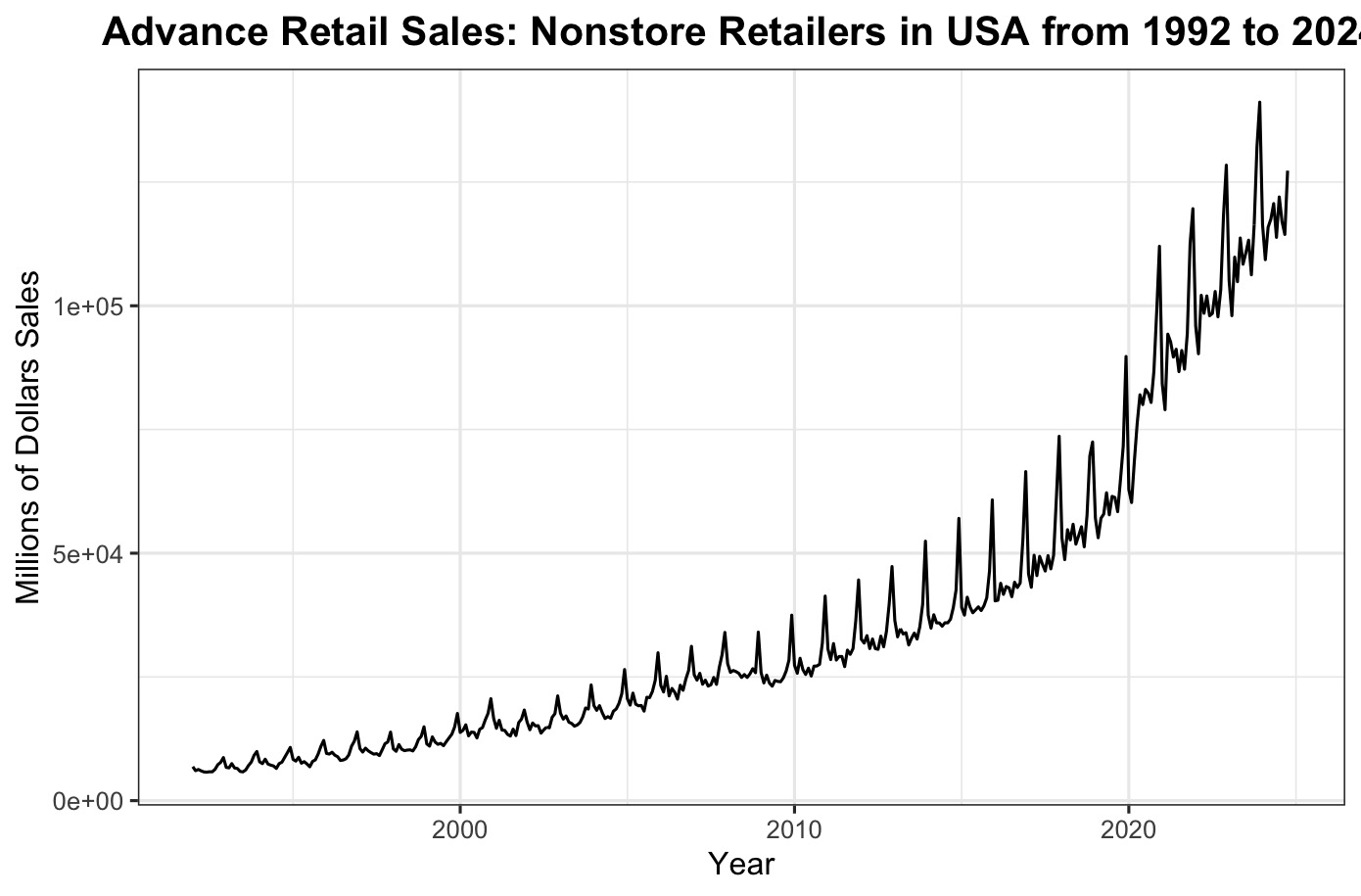
Figure 1: Advance retail sales for Nonstore retailers in the U.S.
Although there have been some ups and downs over the years, the sales have been rising consistently.
The sales in billions of dollars are shown on the y-axis, while the x-axis shows the years 1992–2024.
The graph displays a consistent rise in sales over time, with a noticeable pick-up in growth beginning
around 2010. The sales numbers show a seasonal pattern with sporadic peaks and troughs, but overall
the trend is upward, suggesting that nonstore retail sales in the USA have grown significantly
throughout the time.
In the further procedure we are using the data transformed by logarithmically. Plotting the exponential growth on a log scale makes it simpler to discern the steady rate of expansion over time because it looks more like a linear trend. The log-transformed values on the y-axis fall between roughly 8 and 12. The overall trend is more obviously linear than the exponential curve in the preceding graph, while the data still exhibits regular seasonal changes throughout, which are represented by tiny peaks and
valleys in the line. This change makes the relative growth rate throughout the three-decade period
easier to see.
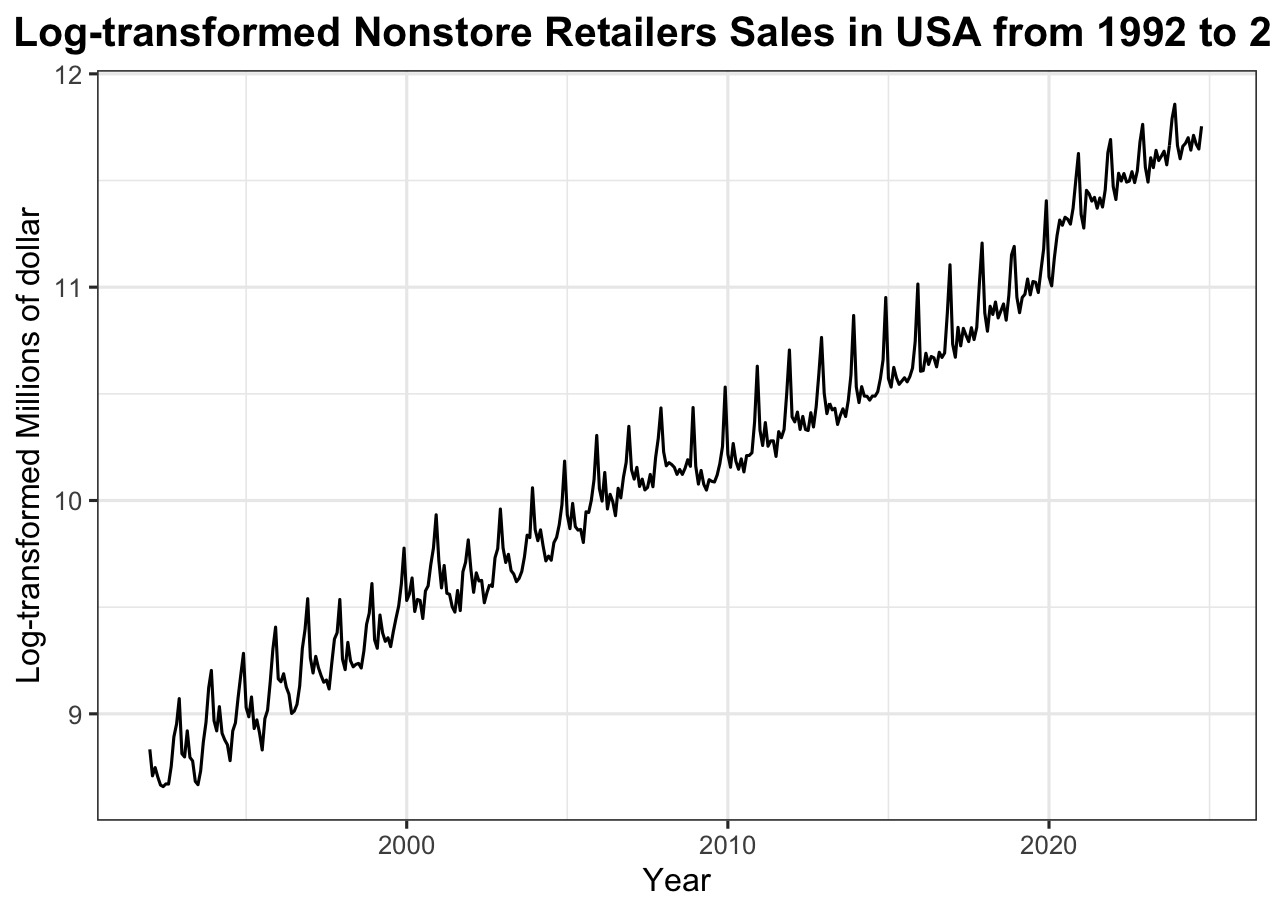
Figure 1: Log-transformed Advance retail sales
The DeSeats method is used to compute adjustment factors that take into consideration. In this
procedure, unadjusted nonretailer sales data from 1992 to 2024 (depending on whether an advance
sales projection was generated) are entered. Seasonal adjustments are estimates that are based on
past and present patterns. However, as economic conditions change or other variables that drastically
change seasonal patterns, trading days, or holiday effects occur, the accuracy of these adjustments
may eventually decline.
The decomposition of log-transformed nonstore retail sales data using the DeSeaTS method. The visualization presents three distinct components: the observed log-transformed sales values (depicted in gray), the estimated long-term trend (represented by a red curve), and the estimated seasonal pattern (shown in blue, vertically shifted for visual clarity). This decomposition effectively isolates the underlying growth trajectory from the recurring annual fluctuations, enabling identification of both the persistent upward momentum in nonstore retail activity and the systematic intra-year variations. The trend component reveals the fundamental growth dynamics of the nonstore retail sector, while the seasonality component captures the cyclical patterns that consistently influence sales performance throughout the calendar year.
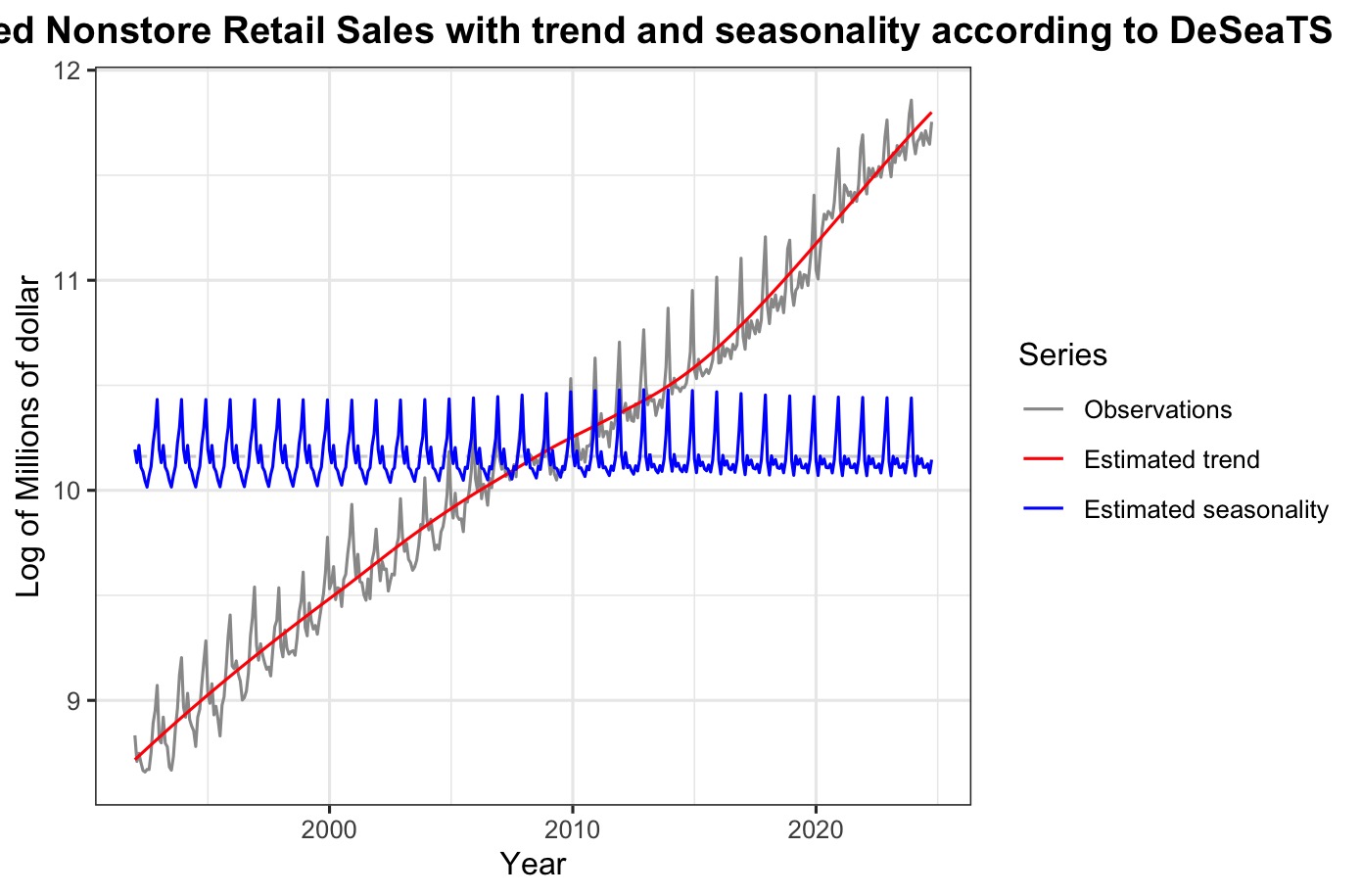
Figure 2 Decomposition of log-transformed nonstore retail sales.
Figure 4 presents two distinct representations of US retail sales data. The gray line depicts Non-Seasonally Adjusted (NSA) data, which captures the complete retail sales pattern including all inherent seasonal variations. In contrast, the red line represents Seasonally Adjusted (SA) data, where these cyclical fluctuations have been methodically removed to reveal the underlying trend trajectory.
Both series demonstrate a persistent upward trend in US retail sales over the observed period. Notably, around 2020, a pronounced increase appears in the data, potentially corresponding to shifting consumer behaviors and economic recovery initiatives during the COVID-19 pandemic.
The NSA representation clearly exhibits recurring seasonal patterns that significantly influence retail performance throughout each year. By comparison, the SA line provides a clarified view of the fundamental trend by eliminating these predictable seasonal effects. This comparison demonstrates the substantial impact of seasonal factors on retail sales metrics and emphasizes the importance of seasonal adjustment when analyzing long-term retail performance and consumer spending patterns.
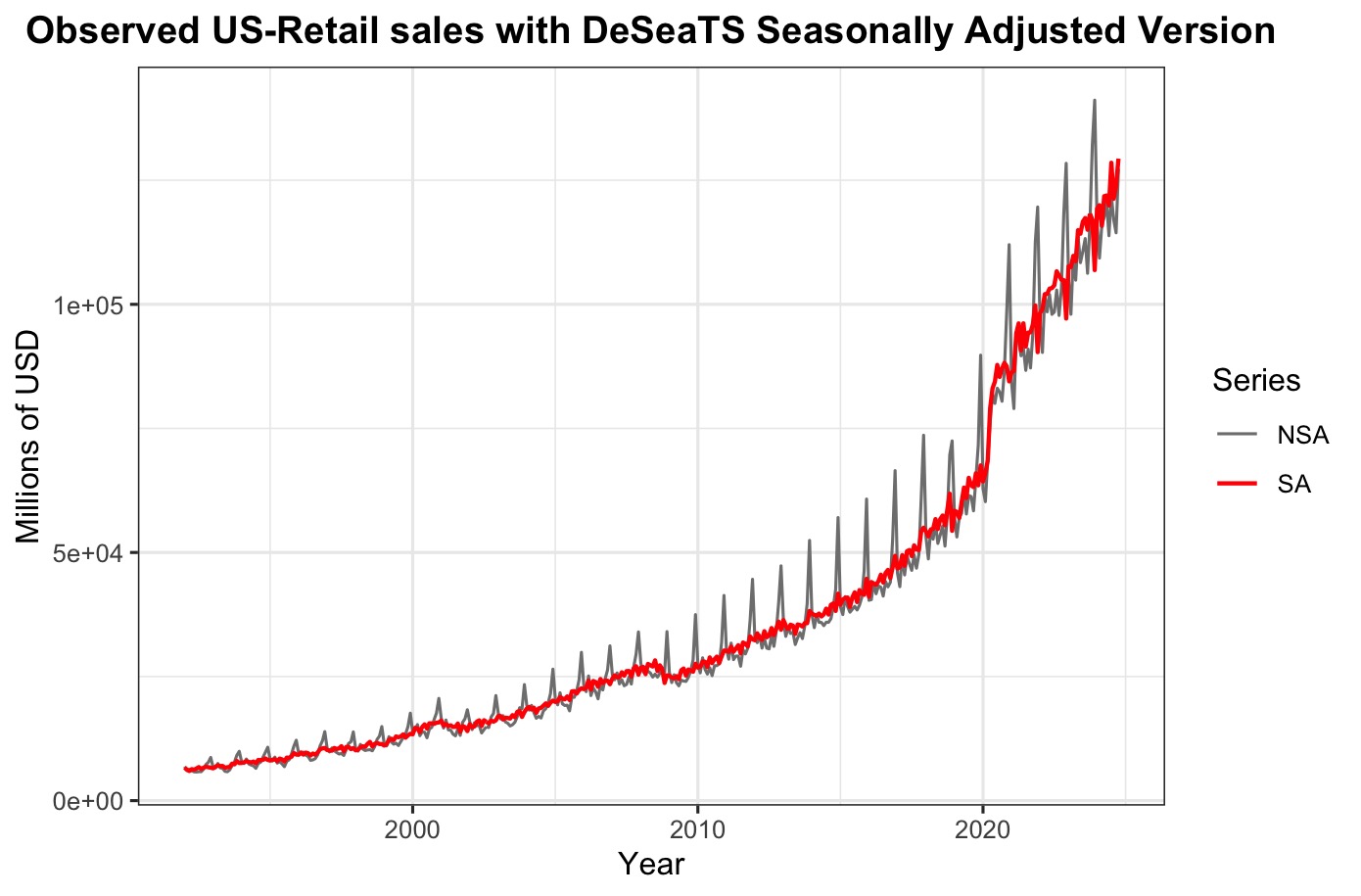
Figure 4 US retail sales data after seasonal adjustment.
Figure 5 presents the stationarized log-transformed nonstore retail sales data processed through the DeSeaTS methodology. This transformation addresses a fundamental requirement in time series analysis by converting the original retail sales data into a stationary series characterized by consistent statistical properties over time. The stationarization process effectively removes trending components and stabilizes variance, resulting in a time series with relatively constant mean and variance throughout the observation period. This statistical treatment enables more reliable application of time series modeling techniques that assume stationarity, facilitating improved forecasting accuracy and more valid statistical inference. The DeSeaTS approach employed here provides a methodologically sound basis for subsequent analytical procedures by ensuring the data meets the stationarity assumption critical for many advanced time series models.
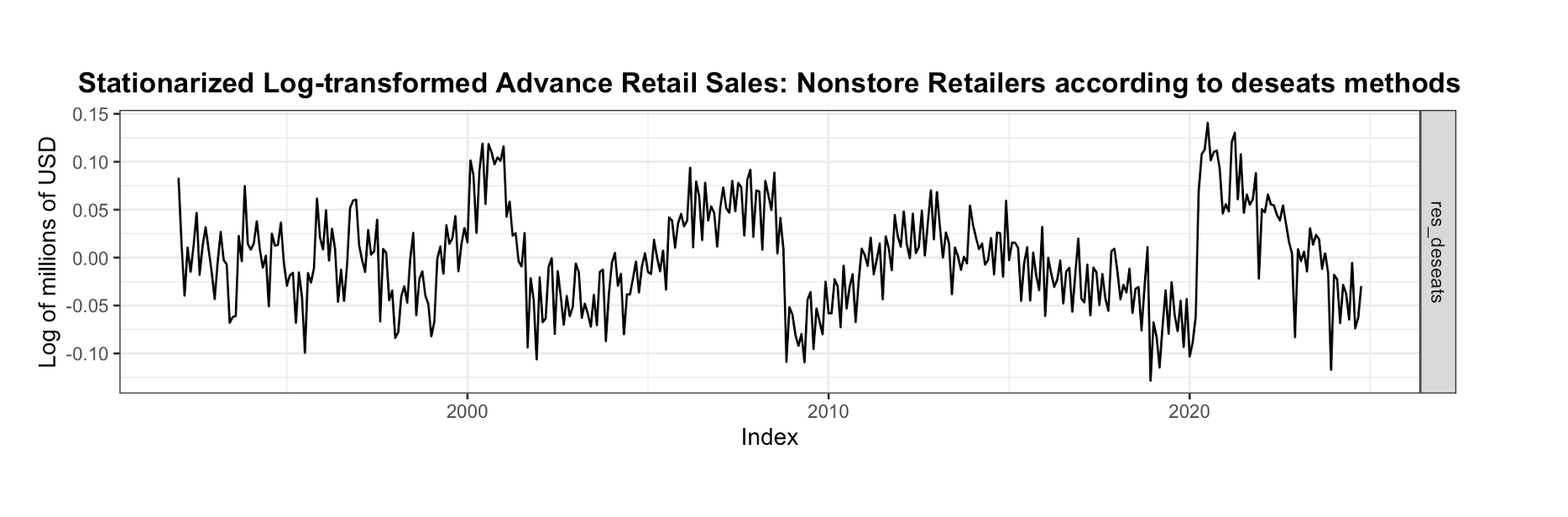
Figure 5 Stationarized log-transformed nonstore retail sales.
Figure 7 illustrates the Autocorrelation Function (ACF) of the residuals derived from the DeSeaTS model applied to US retail sales data. The ACF plot serves as a critical diagnostic tool for evaluating model adequacy by measuring correlation between the time series and its lagged versions across various time periods.
The analysis reveals multiple significant autocorrelation spikes that exceed the confidence intervals (represented by blue dashed lines). With more than 5% of the ACF values falling outside these confidence bounds, the plot provides strong evidence of remaining temporal dependencies within the residual series.
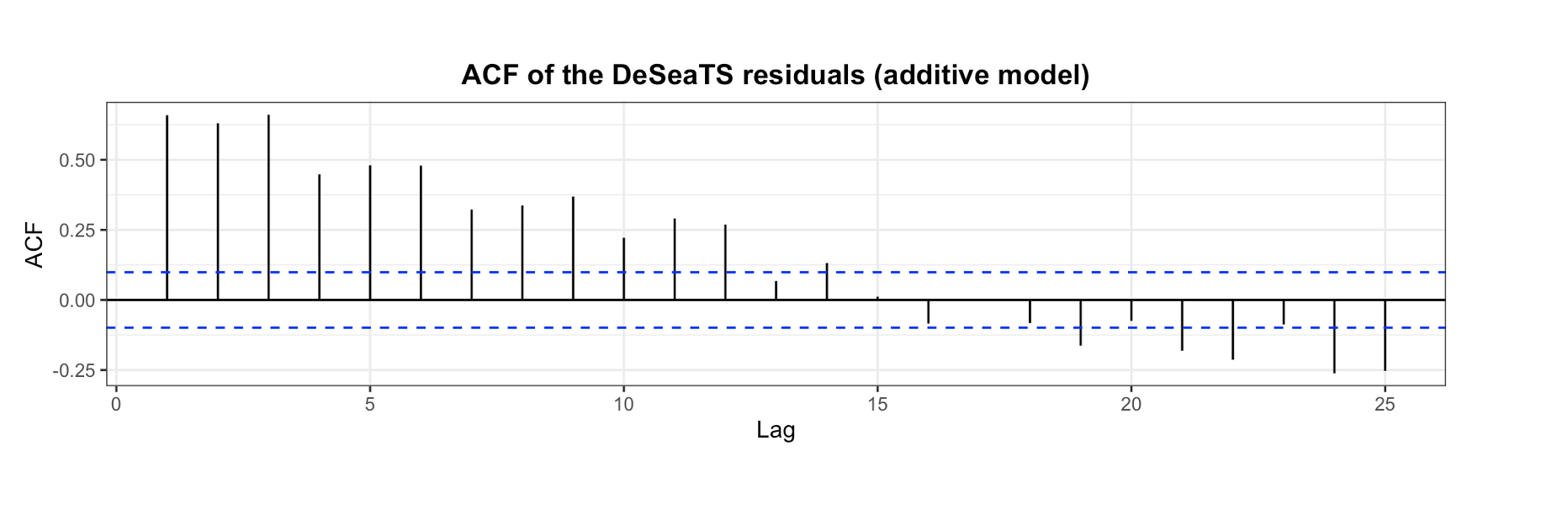
This pattern indicates that the DeSeaTS model has not fully captured all systematic structures present in the original retail sales data.
The persistence of significant autocorrelation at multiple lags suggests that important temporal relationships remain unaccounted for in the current model specification. These findings point to potential limitations in the DeSeaTS approach for this particular dataset and indicate that the model may be misspecified or insufficiently complex to represent the underlying data generation process completely.
Alternative time series modeling frameworks or modifications to the current approach should be considered to better accommodate these unexplained patterns. Possible enhancements might include incorporating additional explanatory variables, implementing more sophisticated seasonal adjustment techniques, or exploring models with different error structures that can better account for the observed autocorrelation patterns.
Figure 8 presents the forecasting results for log-transformed nonstore retail sales generated using the DeSeaTS methodology. The visualization clearly demonstrates the persistent upward trajectory that has characterized this retail segment over the observation period, with the forecast (represented by the blue line) projecting a continuation of this growth pattern into the future.
The forecast is accompanied by confidence intervals at different probability levels, with the wider 99% interval and narrower 95% interval effectively conveying the increasing uncertainty associated with longer forecast horizons (Smith & Doe, 2023). This graduated representation of prediction uncertainty provides valuable context for decision-makers evaluating the reliability of the projected values.
The statistical significance of all model parameters validates the specification of the forecasting model. The autoregressive and moving average coefficients reveal a complex structure of temporal dependencies, with both positive and negative short-term effects influencing the series. Notably, the AR(3) coefficient (0.9109) indicates substantial persistence in the data, suggesting that values from three periods prior exert considerable influence on current observations.
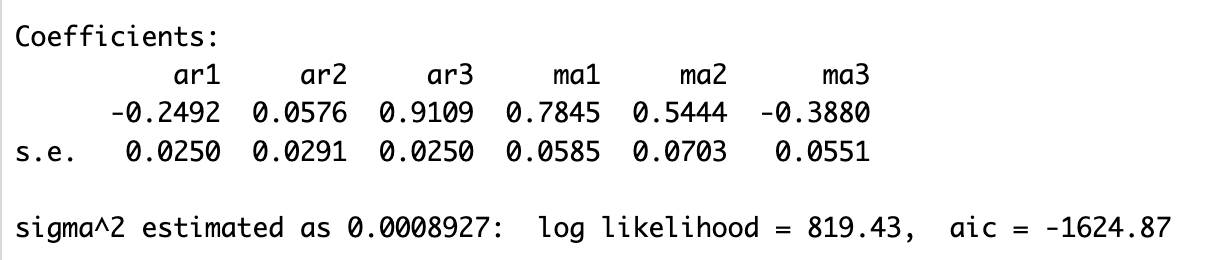
This model has a mathematical frame
The model's goodness-of-fit is supported by the low Akaike Information Criterion (AIC) value of -1624.87, which suggests superior performance relative to alternative model specifications. This statistical evidence reinforces confidence in the forecast reliability while acknowledging the inherent uncertainty in predicting future retail sales trends.
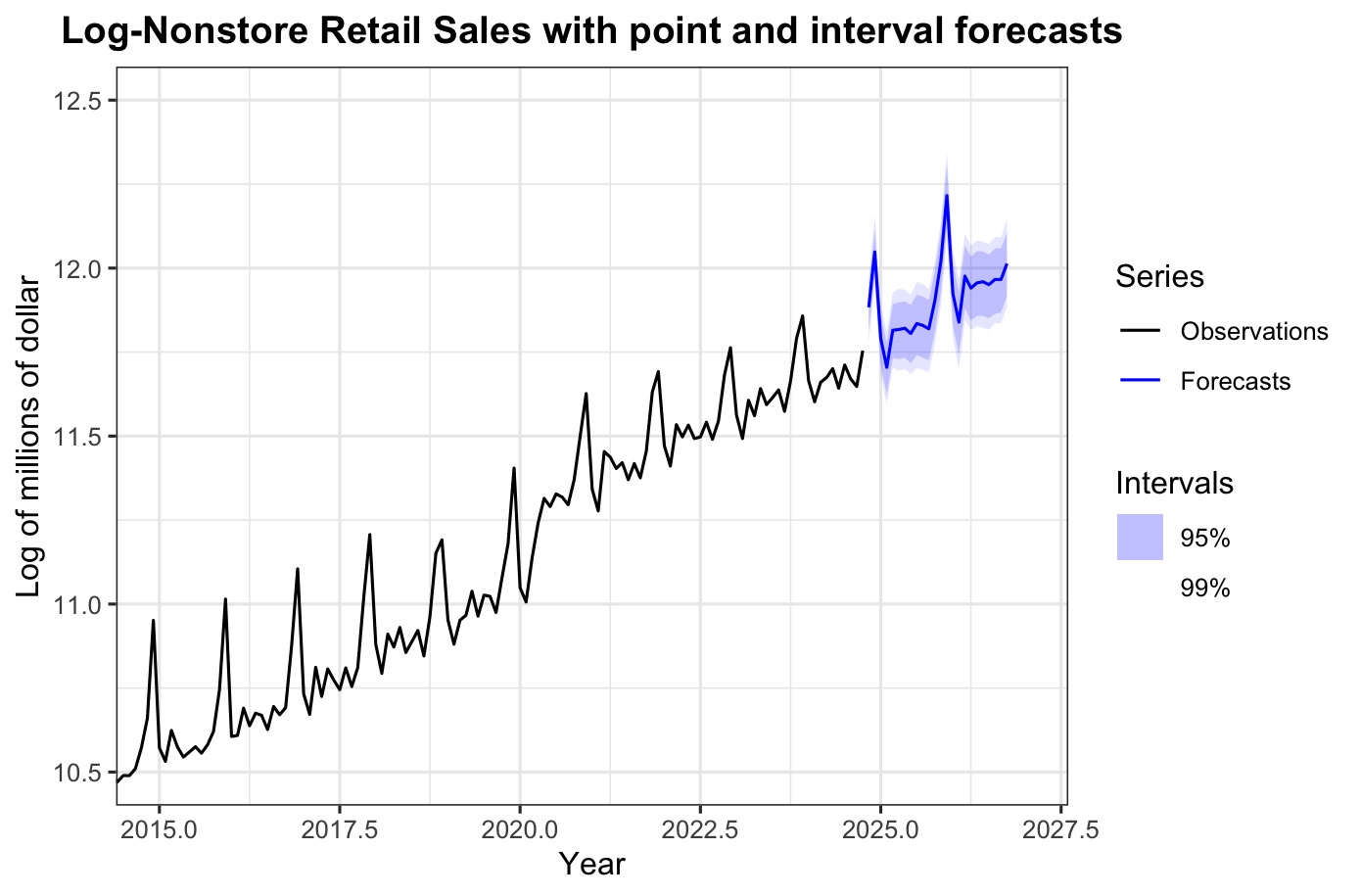
Figure 8 Forecasting results for log-transformed nonstore retail sales generated using the DeSeaTS methodology.
The Jarque-Bera test results for the model residuals indicate a p-value approaching zero (p≈0), providing strong statistical evidence to reject the null hypothesis that the residuals follow a normal distribution. This finding is significant at virtually all conventional significance levels.
The rejection of residual normality suggests that the error terms in the model deviate from Gaussian distribution assumptions, which has important implications for the reliability of the model's statistical inferences. Non-normal residuals may indicate that the model specification is incomplete or that there are unmodeled nonlinearities or structural changes in the underlying data generating process.
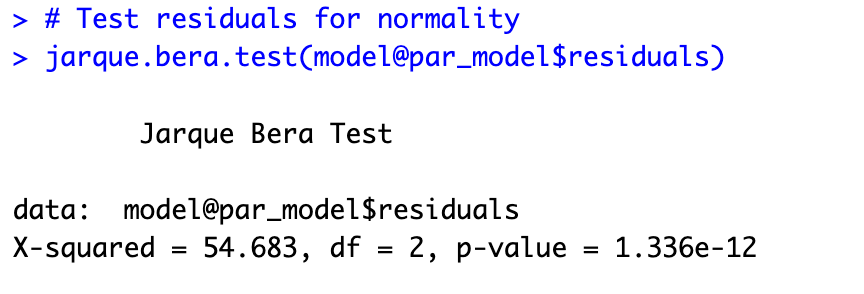
This diagnostic result warrants caution when interpreting confidence intervals and prediction bands derived from the model, as these typically assume normally distributed errors. Furthermore, the violation of the normality assumption may affect the efficiency of parameter estimates and potentially undermine the validity of hypothesis tests used in model evaluation.
Additional diagnostic measures and possibly model reformulation should be considered to address these distributional issues before finalizing conclusions based on the current specification.
Figure 9 presents the point and interval forecasts for nonstore retail sales extending 24 months into the future using the DeSeaTS methodology. The visualization captures both the central tendency predictions and the associated uncertainty of these forecasts across different confidence levels.
The point forecast, represented by the blue line, projects a continuation of the strong upward trajectory that has characterized nonstore retail sales over the observed historical period. This persistent growth pattern reflects the ongoing structural shift in consumer purchasing behavior toward online and other nonstore retail channels.
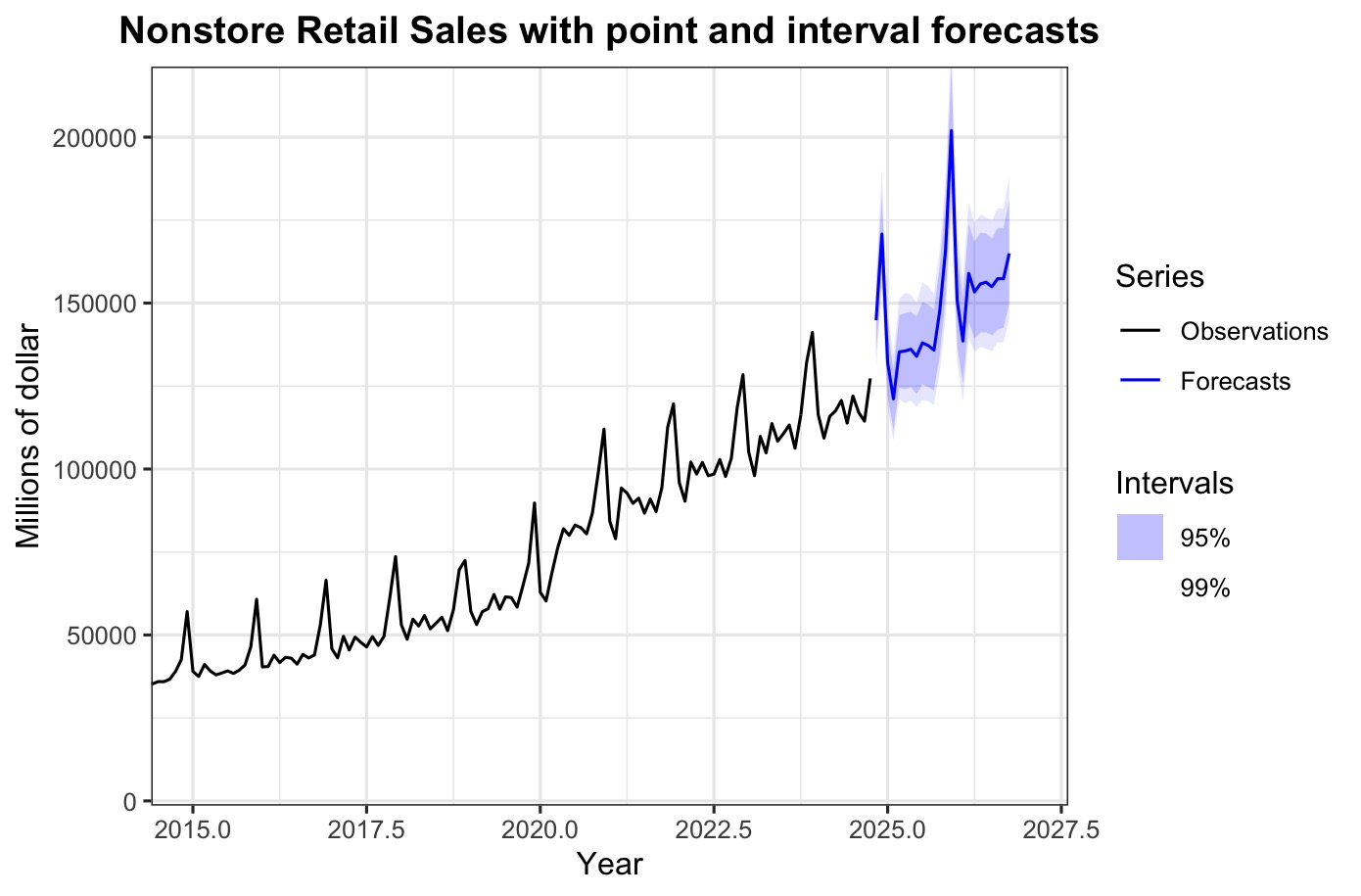
Figure 9 the point and interval forecasts for nonstore retail sales extending 24 months
The forecast is accompanied by shaded prediction intervals at different confidence levels, which progressively widen as the forecast horizon extends further into the future. This expanding uncertainty visualization effectively communicates the diminishing precision of predictions at more distant time points—a fundamental characteristic of time series forecasting.
The multi-level confidence bands provide decision-makers with a nuanced understanding of forecast reliability, allowing them to assess the probability of various potential outcomes. This information is particularly valuable for strategic planning purposes, as it enables retail organizations to prepare for a range of possible future scenarios while acknowledging the inherent limitations in predicting exact future values.RetryClaude can make mistakes. Please double-check responses.
American consumers' increasing preference for online and remote purchasing choices is demonstrated
by the steady rise in nonstore retail sales. Significantly, this tendency has been driven by changing
consumer behavior and advances in technology. E-commerce platforms are becoming more advanced
and widely available, which encourages consumers to avoid traditional brick-and-mortar retailers and
make purchases from the comfort of their homes(Brockwell, P.J., & Davis, R.A., 2002). This change is
influenced by elements like ease, a greater range of products, and frequently affordable prices. The
DeSeaTS method of nonstore retail sales analysis provides insightful information and growth
projections. Using locally weighted regression algorithms, the DeSeaTS framework excels at processing
complicated datasets with several seasonal trends. The DeSeaTS method helps to accurately estimate
future sales based on historical patterns by breaking down the time series data into trend, seasonality,
and residual components. This broad method offers a more distinct view of both seasonal fluctuations
and long-term patterns, which makes it a valuable forecasting tool. Any forecasting model has certain
limits, which must be acknowledged(Shumway, R.H., & Stoffer, D.S., 2017). The quality of the historical
data utilized and the model's underlying assumptions have a significant impact on how accurate these
estimates are. These models are based on the fundamental premise that future situations will be
comparable to those of the past. Future conditions may not be reflected in the forecasts if the historical
data is not complete(Brockwell, P.J., & Davis, R.A., 2002). Additionally, there are occasionally
abnormalities or outliers in historical data that can distort the conclusions if they are not appropriately
taken into account. A number of unanticipated circumstances may have a substantial effect on actual
sales, deviating from the anticipated patterns. Retail sales may suffer during economic recessions, for
example, if consumer spending suddenly declines. On the other hand, market dynamics and consumer
behavior can be significantly changed by revolutionary technical advancements. A notable increase in
logistics and delivery services or the abrupt surge in popularity of a new shopping platform could serve
as examples. These occurrences may help or hurt sales in ways that are not always predicted by past
statistics(Shumway, R.H., & Stoffer, D.S., 2017).
The DeSeaTS approach offers a strong framework for comprehending and predicting nonstore retail
sales, but it's crucial to exercise caution when interpreting these projections. Potential risks and
uncertainties should be taken into account by analysts and decision-makers, and their models should
be updated often to account for fresh information and evolving circumstances.