



 Certifiedunder the Production-Grade Agentic System module in the Agentic AI In Production program.
Modern AI-powered developer tools often fail not because of model limitations, but due to poor orchestration, lack of safety controls, limited observability, and insufficient testing. As AI systems become more agentic and autonomous, engineering discipline becomes just as important as model intelligence.
This project is the final capstone (Module 3) of the Agentic AI Developer Certification (AAIDC) by Ready Tensor. It demonstrates a production-ready Agentic AI system that builds upon a multi-agent architecture and enhances it with real-world engineering best practices such as reliability, safety, logging, testing, and user-facing interaction.
The system analyzes a project README or description and provides structured, actionable feedback to improve documentation quality, project clarity, and readiness. It is implemented using a LangGraph-orchestrated multi-agent workflow and powered by Google Gemini 2.5 Flash, with a Streamlit-based user interface for accessibility and ease of use.
Robust input validation and safety guardrails
Retry logic and operational resilience
Structured logging and traceability
Layered testing (unit, integration, end-to-end)
Clear documentation and deployment readiness
By combining agentic reasoning with production-grade engineering practices, this project showcases how Agentic AI systems can be responsibly designed for real-world use, aligning with the goals and standards of the AAIDC program.
This project is the final capstone (Project 3) of the Agentic AI Developer Certification (AAIDC) by Ready Tensor.
It demonstrates a production-ready Agentic AI system that builds upon the multi-agent architecture developed in Module 2 and enhances it with real-world engineering practices such as:
The system analyzes a project README or description and provides structured feedback using a multi-agent workflow orchestrated with LangGraph and powered by Google Gemini 2.5 Flash.
Many AI projects struggle with poor documentation, missing setup instructions, and unclear project scope.
This system helps developers improve project readiness and quality by automatically reviewing project documentation using Agentic AI workflows.
User (Streamlit UI)
        ↓
Input Validation & Safety Checks
        ↓
LangGraph Multi-Agent Workflow
        ├── Repo Analyzer Agent
        ├── Metadata Recommender Agent (Gemini 2.5 Flash)
        └── Reviewer / Critic Agent
        ↓
Structured Results Displayed in UI
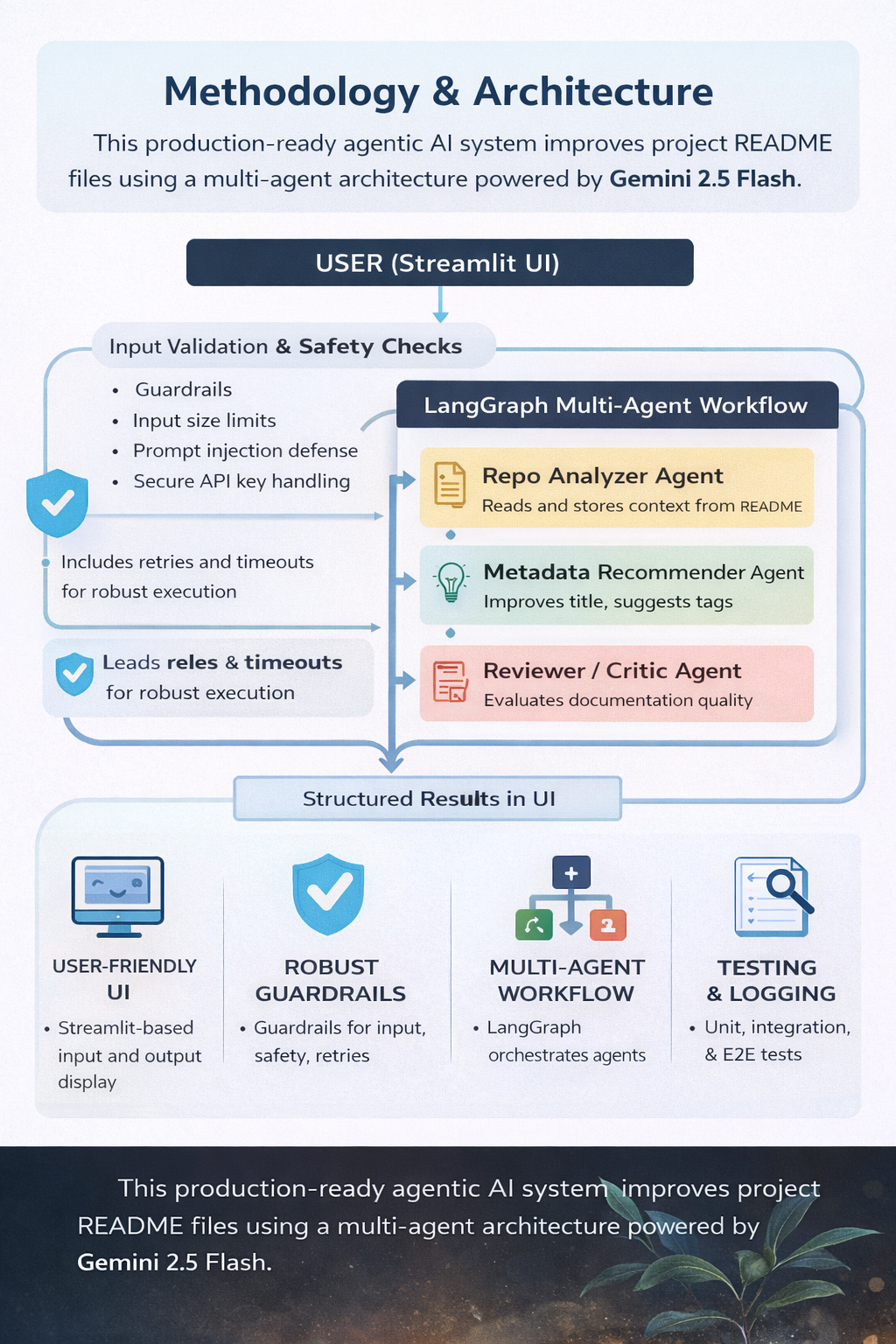
Figure 1: System Architecture of the Production Agentic AI System
This diagram illustrates the end-to-end workflow from user input through safety checks and multi-agent orchestration using LangGraph, powered by Google Gemini 2.5 Flash.
A Streamlit-based UI allows users to paste README content, trigger analysis, and view structured agent outputs with friendly error handling.
Includes tool-level and agent-level tests.
Run tests:
pytest
pip install -r requirements.txt
GEMINI_API_KEY=your_api_key_here
streamlit run app.py
AAIDC-Module3-Production-Agentic-System/
├── app.py
├── main.py
├── agents/
├── tools/
├── graph/
├── utils/
├── tests/
├── requirements.txt
├── .env.example
└── README.md
This project fulfills AAIDC Module 3 requirements by demonstrating a production-ready multi-agent system using Gemini 2.5 Flash.
Educational use only for Ready Tensor AAIDC.